
SuMaCer launches to advance sustainable manufacturing of functional ceramics for clean energy devices
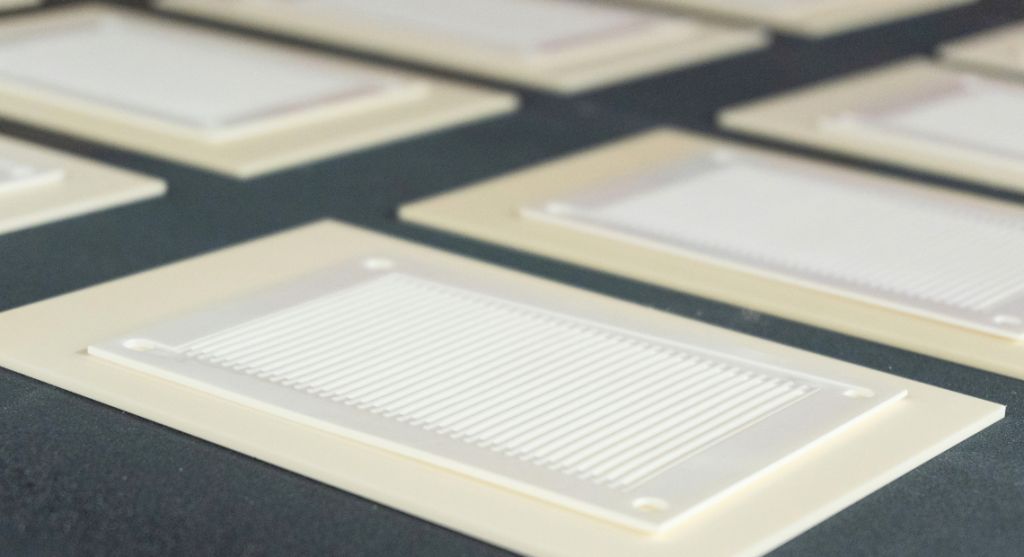
The European SuMaCer project, coordinated by IREC, will develop more sustainable manufacturing processes for functional ceramics used in clean energy devices.
Europe’s transition towards climate neutrality requires not only clean energy technologies, but also more sustainable ways of manufacturing them. Functional ceramics play a central role in next-generation energy systems, yet traditional manufacturing processes often lack the precision and control needed to produce complex, multi-material components, creating a bottleneck for their wider industrial adoption.
The SuMaCer project emerges at the intersection of technological maturity and industrial need, proposing a holistic approach to sustainable, smart scale-up. The project’s main goal is to enable a new generation of clean energy devices to be manufactured faster, cleaner and smarter, entirely within Europe.
To achieve this, SuMaCer integrates advanced additive manufacturing techniques, digital twins and process optimisation, validating their market relevance through three industrial-scale minimum viable products: SOFC, SOEC and a metal-supported sodium battery.
The project started in September 2026. The consortium is holding its kick-off meeting on 8 and 9 October in Barcelona, bringing together all partners to align objectives and establish the project roadmap.
With a total budget of over €5 million and a duration of 36 months, SuMaCer brings together 12 partners from across Europe, combining research, technology and industrial expertise, including hardware manufacturers, software developers and product manufacturers.
IREC will coordinate the project and lead the definition of manufacturing and system-level requirements. The institute will also participate in the development and optimisation of manufacturing routes for solid oxide cells and the metal-supported sodium battery and will lead the project’s clustering and exploitation activities.
These activities will be led by Marc Torrell, from the Nanoionics and Fuel Cells Department, and Shanti Liga, from the Corporate Development and Technology Transfer (KTT) Department.
Link to CORDIS: https://cordis.europa.eu/project/id/101294298/
Acknowledgements
Funded by the European Union. Views and opinions expressed are, however, those of the author(s) only and do not necessarily reflect those of the European Union or the European Health and Digital Executive Agency (HaDEA). Neither the European Union nor the granting authority can be held responsible for them.