
From energy research to decision-ready solutions
What is ENERGY SYSTEMS ANALYTICS all about?
- Optimising complex energy systems for flexibility, reliability and cost-effectiveness.
- Assessing environmental, economic and social impacts across technologies and value chains.
- Advancing sustainable mobility, battery management and digital energy solutions.
- Informing policy, regulation and market design for a fair and effective energy transition.
Energy systems analytics
Energy Systems Analytics accelerates the clean energy transition through the intelligent integration of complex energy systems. Combining modelling, optimisation, sustainability assessment and economic analysis, the department develops tools, methods and evidence to improve system performance, reduce risks and support better decisions for industry, policymakers and society across the entire energy value chain.
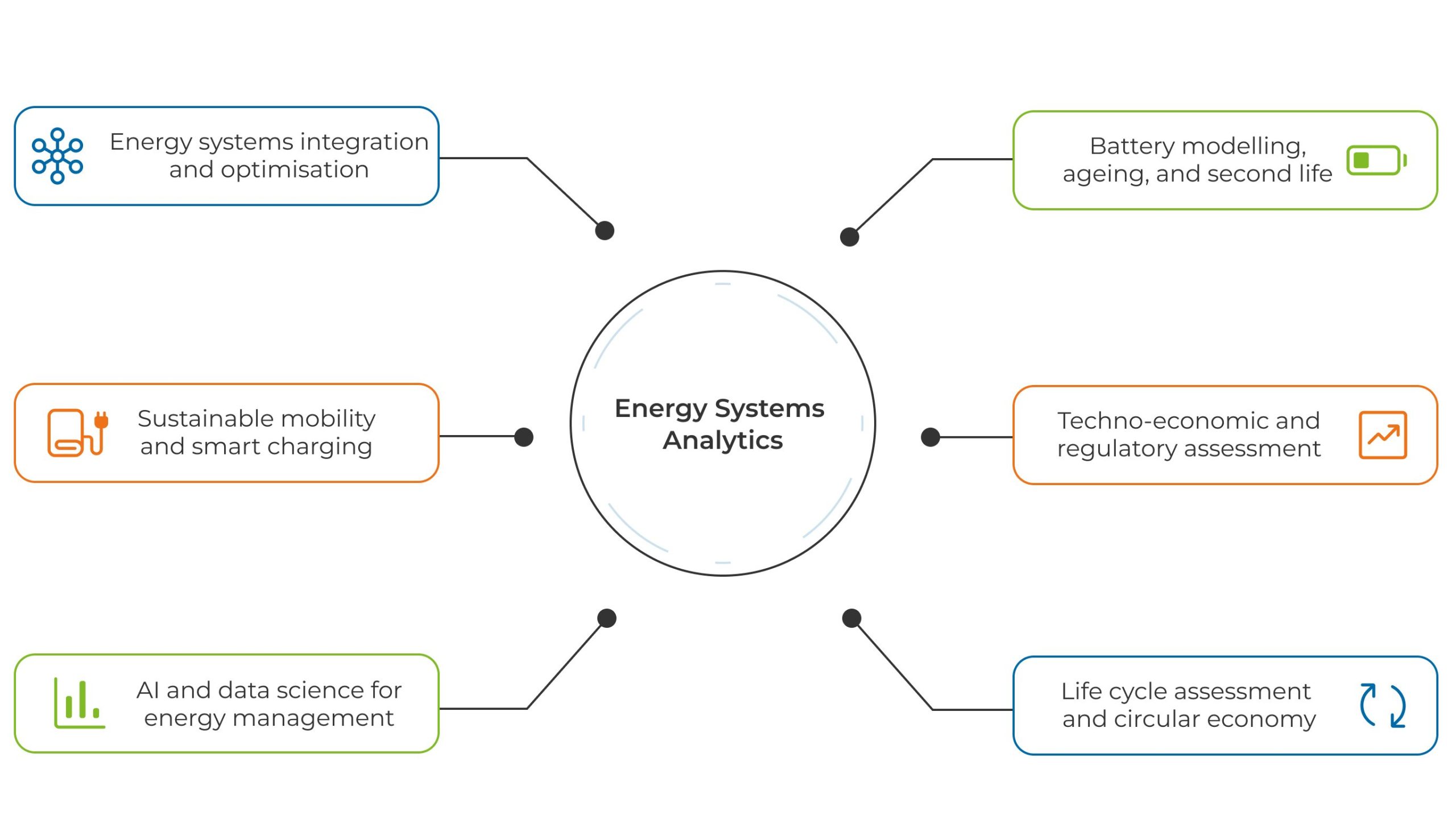
Intelligent energy systems integration
Advanced solutions for the optimisation and control of integrated energy systems, including flexibility management, digital twins and system planning, supporting the grid integration of distributed and renewable energy resources.
Sustainable mobility and battery management
Smart and bidirectional charging solutions for electric mobility, combined with battery modelling, state-of-health estimation and second-life approaches for more efficient transport and storage systems.
Energy economics, social and regulatory assessment
Techno-economic feasibility analysis, business model evaluation, regulatory frameworks and social dimensions — including energy poverty and consumer behaviour — informing inclusive and effective energy policies and market design.
Life cycle sustainability and circularity
Integrated LCA, life cycle costing and social LCA methodologies supporting eco-design, circularity and battery passport frameworks aligned with Safe and Sustainable by Design (SSbD) principles and emerging sustainability regulations.
Our activity at a glance
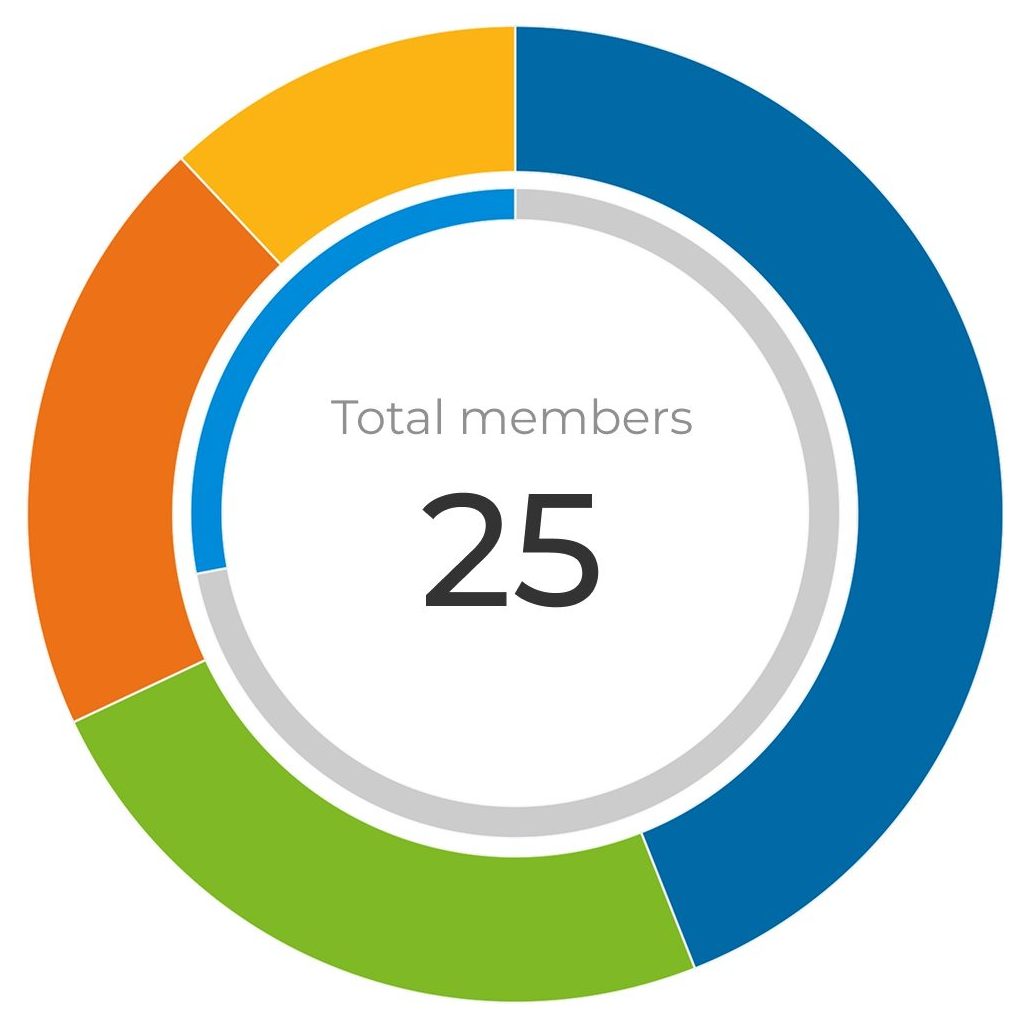
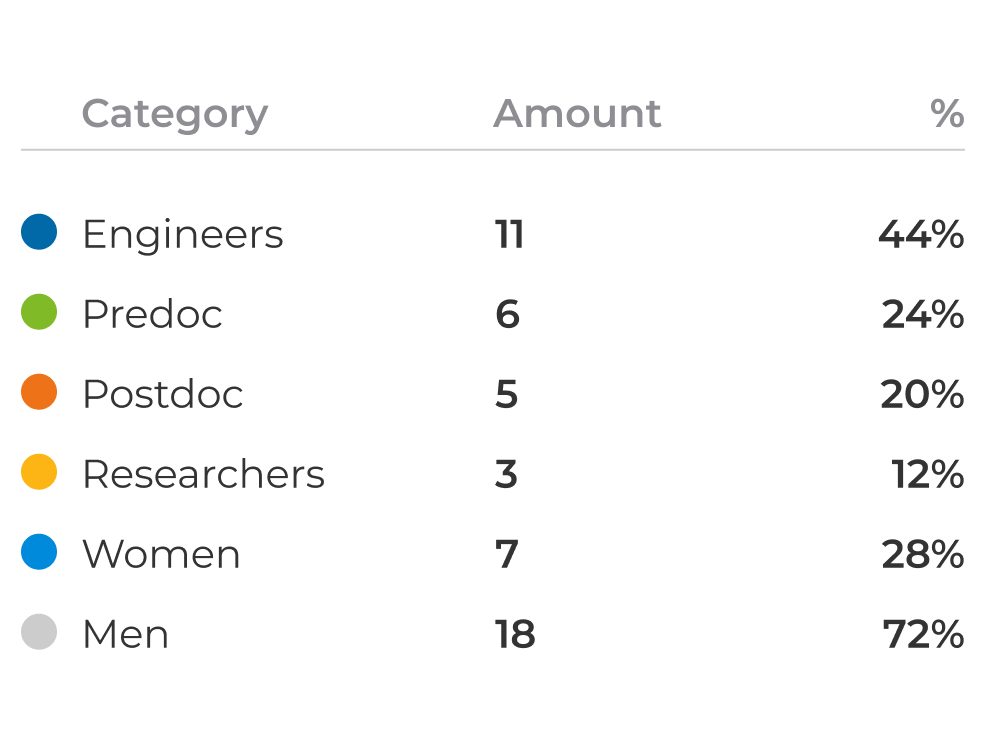
The department brings together a multidisciplinary team of researchers and specialists working across its core research areas. Our work combines fundamental research, technology development and applied validation, engaging with academic institutions, industry partners and public bodies to generate knowledge and solutions with real-world impact.
A department expert team
Our research lines
Research lines
- Energy Systems Integration
- Energy Economics, Social and Regulatory Impact Assessment
- Energy Technology LCA and Sustainability
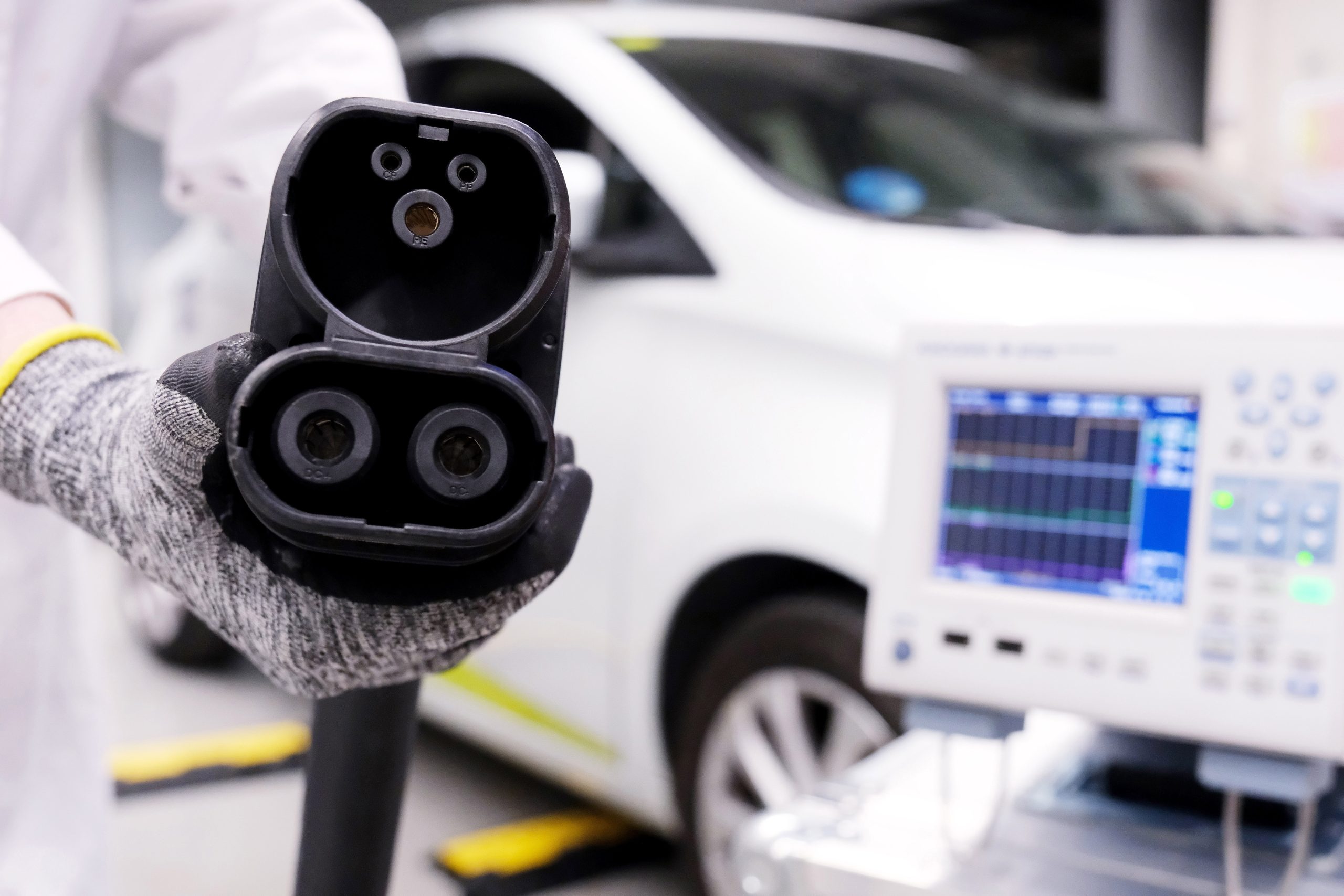
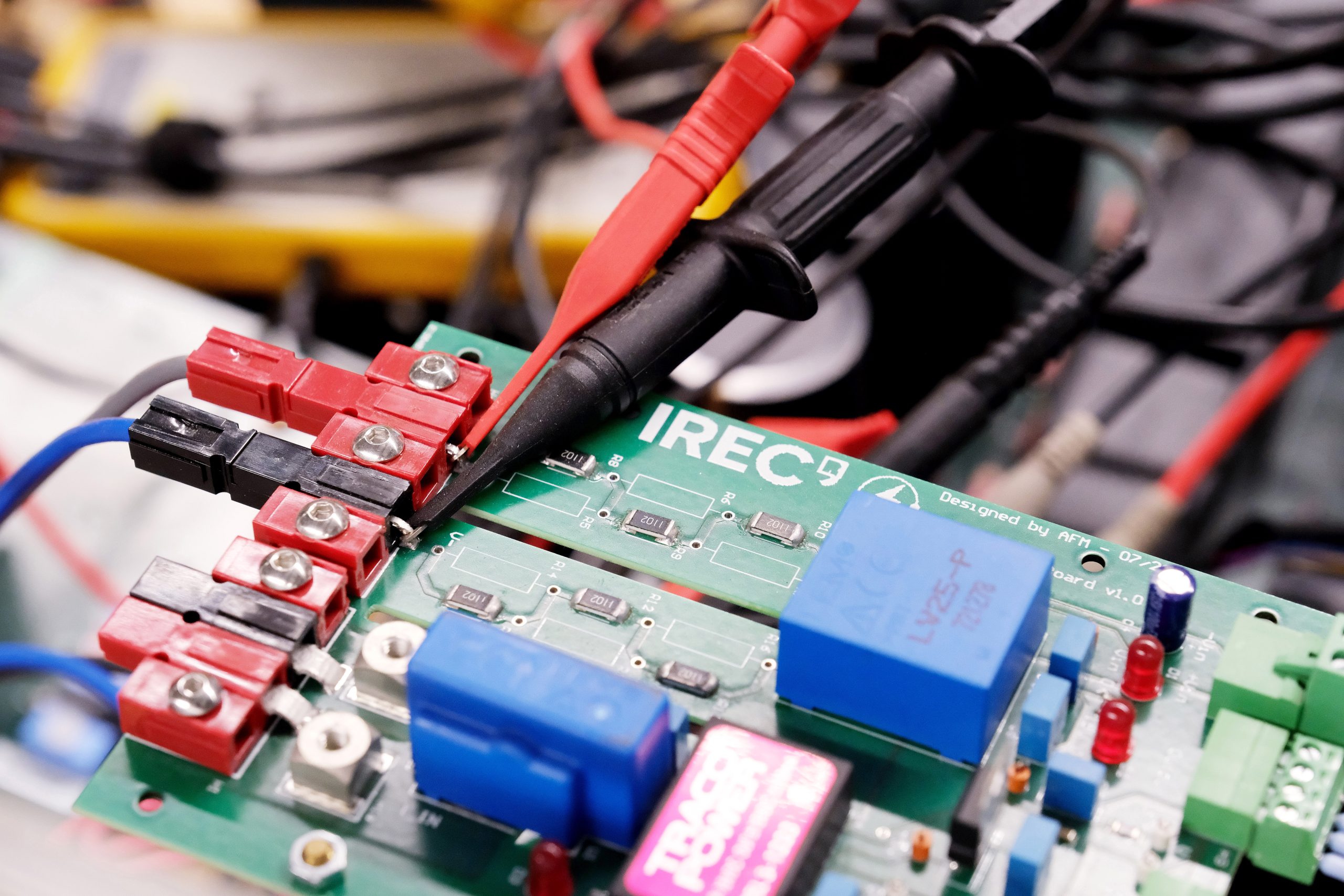
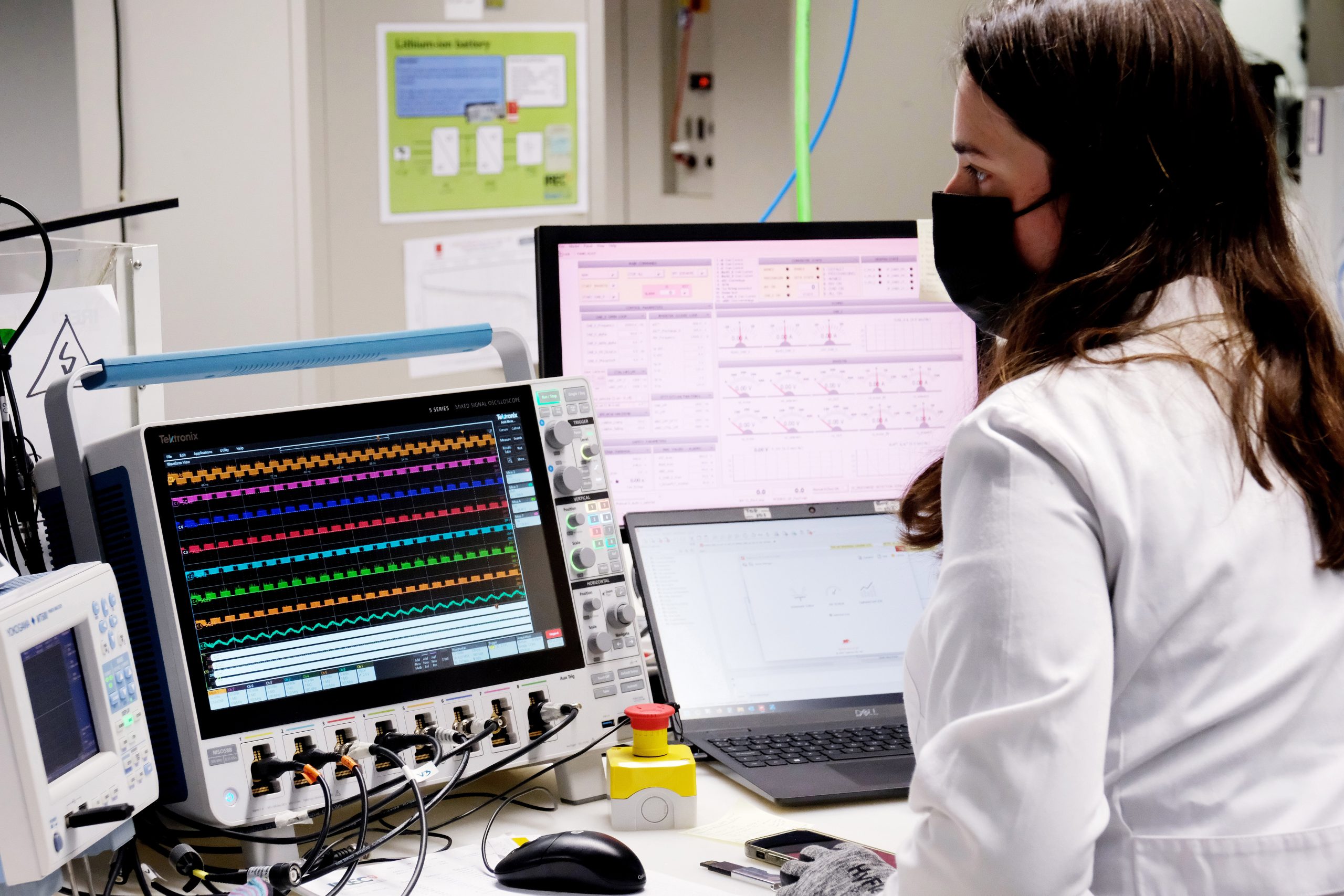
Energy Systems Integration develops intelligent energy management solutions for flexible and connected systems. Its work spans optimisation methods — LP, MILP and stochastic approaches — AI and machine learning for forecasting, digital twins for system planning, battery state estimation and smart bidirectional charging. By combining modelling with experimental validation in the IREC SmartLab, the group helps industry and grid operators reduce operating costs, improve asset utilisation and accelerate the integration of renewables and storage into the energy system.
Focused on the interface between energy systems, markets, regulation and society, this group conducts techno-economic assessment, evaluates business models for aggregators and energy communities, and analyses social acceptance, energy poverty, equity and consumer behaviour. Its regulatory analysis and scenario modelling help policymakers, developers and investors design fair and viable pathways for the deployment of innovative energy technologies.
This group develops methodologies and digital tools to minimise the environmental and social footprint of energy technologies throughout their life cycle. Expertise covers integrated LCA, LCC and social LCA aligned with Safe and Sustainable by Design (SSbD) principles, prospective assessment, eco-design, circularity and battery passport development for batteries, hydrogen and electronics, serving companies and public administrations seeking to assess and reduce the impact of their activities.
People
A skilled team dedicated to advancing the energy transition.
Projects
Competitive and industrial projects from lab to real-world scale.
Publications
Peer-reviewed outputs at the forefront of energy research.
Facilities
Facilities
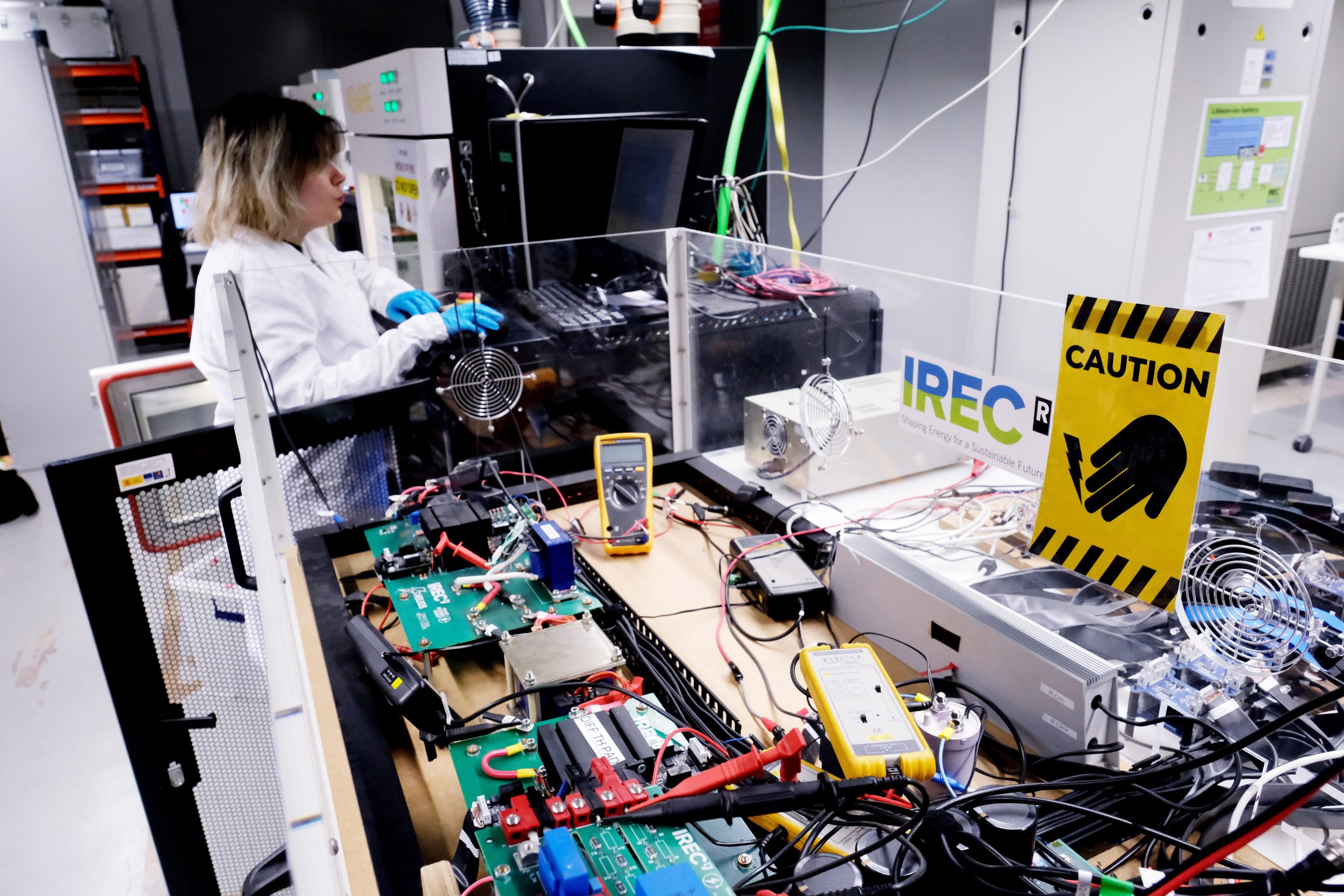
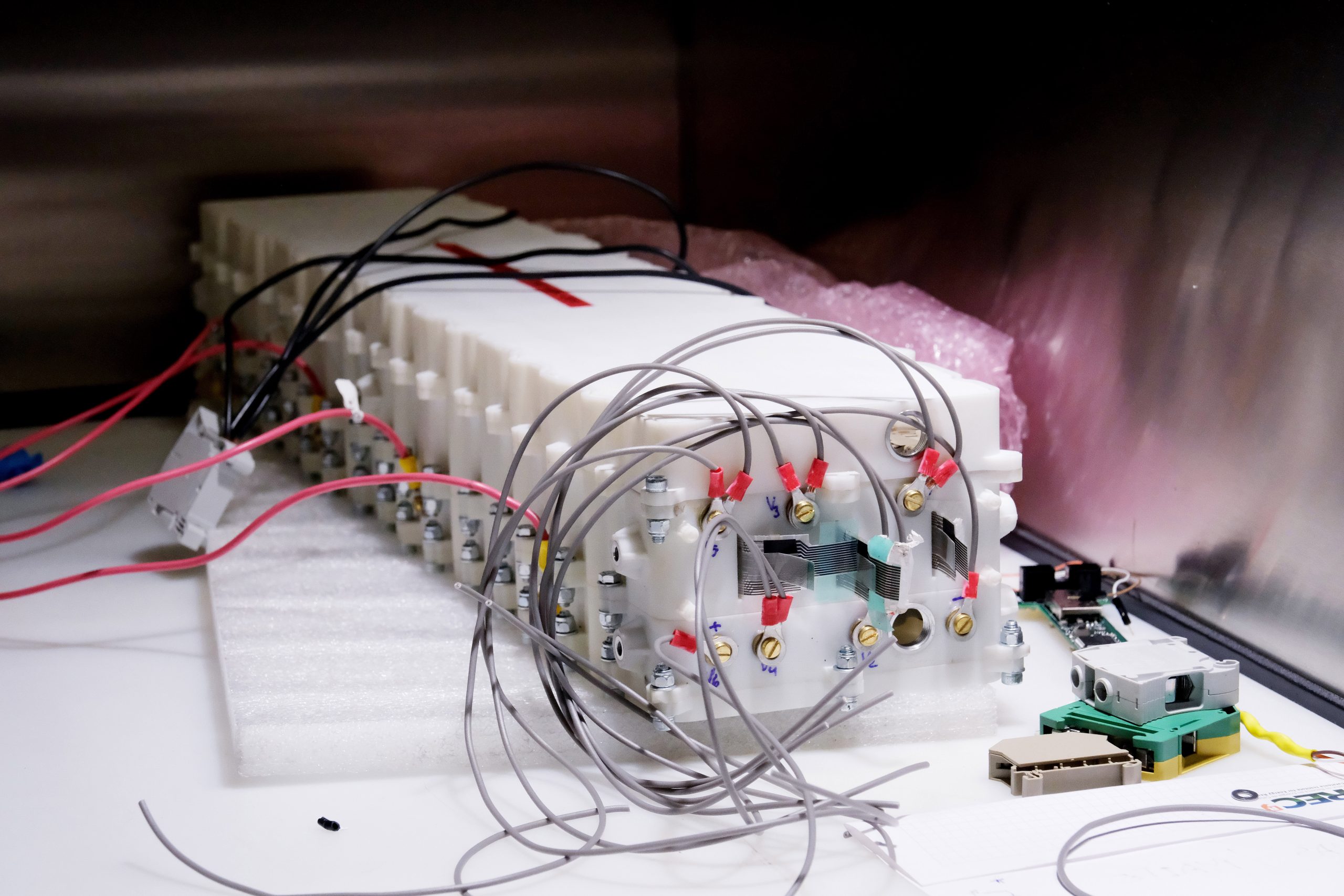
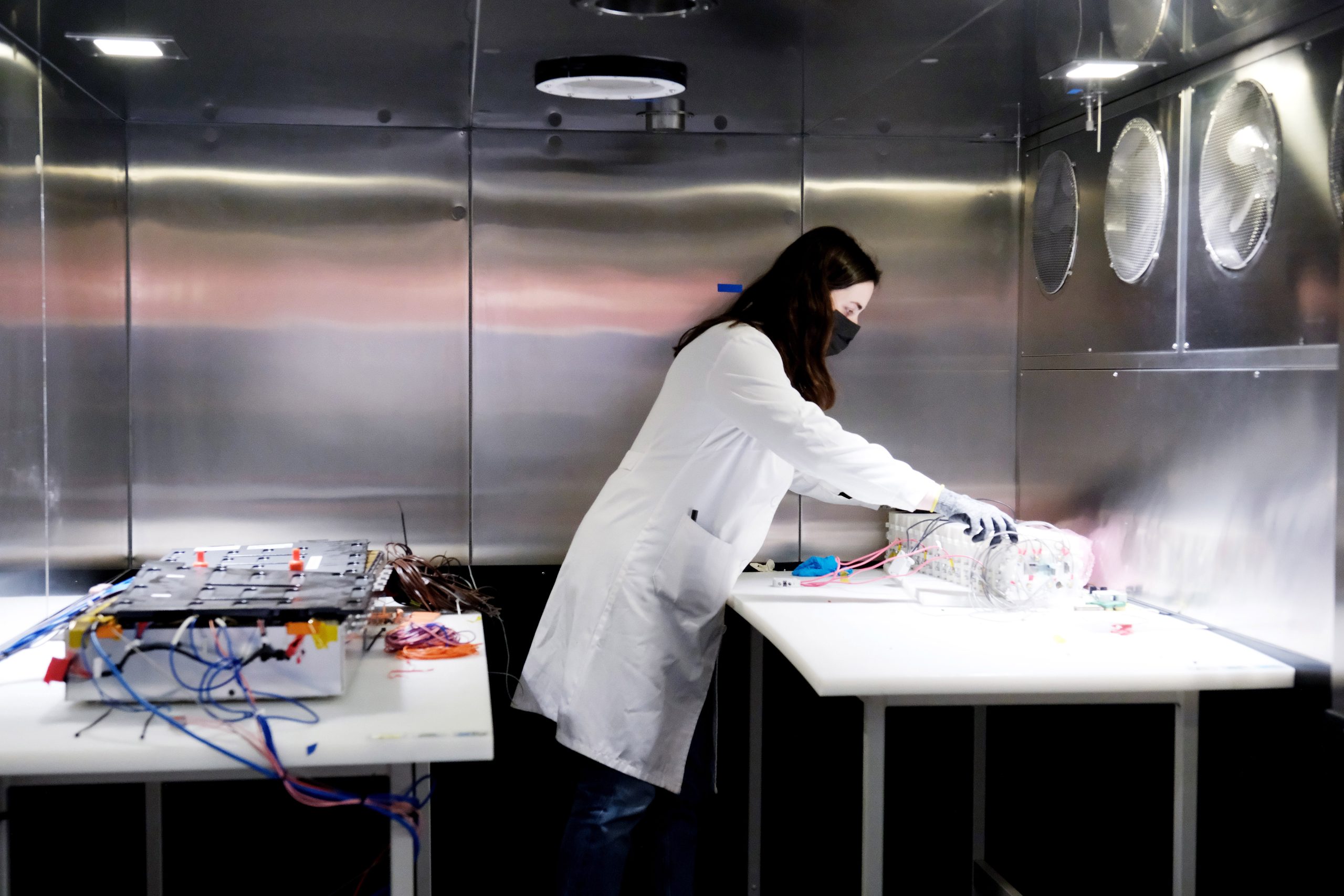
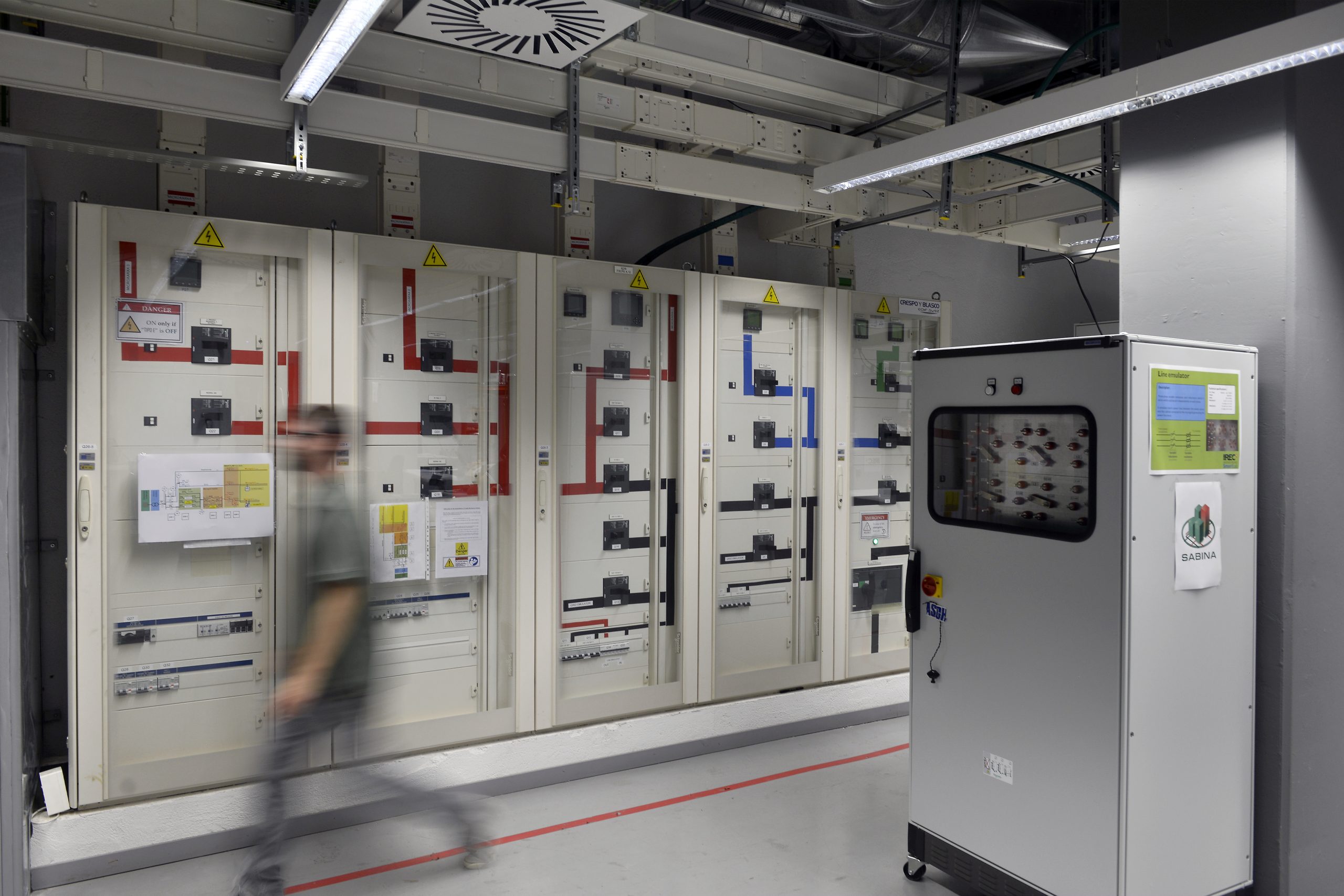
The department’s experimental infrastructure centres on the IREC SmartLab, a flexible shared environment for testing and validating integrated energy solutions under realistic operating conditions. It brings together microgrid and grid emulation capabilities, battery characterisation and testing benches, EV charger and V2G equipment, and SCADA and energy management systems.
Digital infrastructure supports modelling and sustainability assessment across the energy value chain. This includes the CTHULHU high-performance computing server, GAMS optimisation licences, and Ecoinvent, GaBi and Brightway licences for life cycle assessment.
Tech Transfer
Energy Systems Analytics combines applied research with strong transfer potential, turning models, methods and digital tools into practical solutions for industry and public stakeholders. Its outcomes include the CASE software platform, transferred to Bamboo Energy — an IREC spin-off commercialising energy management and storage dimensioning tools — and battery health and remaining-life estimation tools delivered to SEAT and Nissan. Vehicle-to-grid integration solutions and a state-of-charge algorithm licensed to Cellect reflect the range of its transfer activity.
Researchers from the department contribute to standardisation bodies and European regulatory working groups on battery reuse, digital product passports and the UNE 0075:2023 standard for the reuse of mobility batteries in stationary applications, reinforcing ESA’s role as a reference in sustainable energy technology transfer.
News
Nullam eu feugiat curabitur non. Maecenas tortor eget nunc nulla arcu auctor tincidunt arcu.
-
MAKING PEDs recognized as a leading innovation for Positive Energy Districts
The MAKING PEDs project, coordinated by IREC, has concluded after developing innovative digital tools and methodologies to help cities plan Positive Energy Districts (PEDs) and accelerate their transition towards climate neutrality. Positive Energy Districts are urban neighbourhoods designed to generate more renewable energy than they consume, helping reduce emissions while creating greener, more sustainable places…
Read more: MAKING PEDs recognized as a leading innovation for Positive Energy DistrictsPablo Fernández Martínez
Vulputate aliquam gravida
-
Innovation Day Energia brings together companies, research centres and investors in Barcelona to address the challenges of the energy system
The eighth edition of Innovation Day Energia has brought together professionals from business, industry, science, finance and public administration in Barcelona to discuss the challenges facing the energy system and explore opportunities to accelerate the development and deployment of innovative energy technologies. Co-organised by IREC, CEEC and XRE4S, with the support of ICAEN, the event…
Read more: Innovation Day Energia brings together companies, research centres and investors in Barcelona to address the challenges of the energy systemPablo Fernández Martínez
Vulputate aliquam gravida
-

Two researchers join IREC to advance secure AI and digital twins for the Internet of Energy
Oliver Anderson and Gianluca Rapaglia have joined IREC’s Power Systems department as part of the SAILING project, a European initiative training 12 Early-Stage Researchers to advance digital twin and secure AI technologies. The Internet-of-Energy, the digital layer connecting and automating how energy is generated, stored and distributed, can play an important role in Europe’s transition…
Read more: Two researchers join IREC to advance secure AI and digital twins for the Internet of EnergyPablo Fernández Martínez
Vulputate aliquam gravida