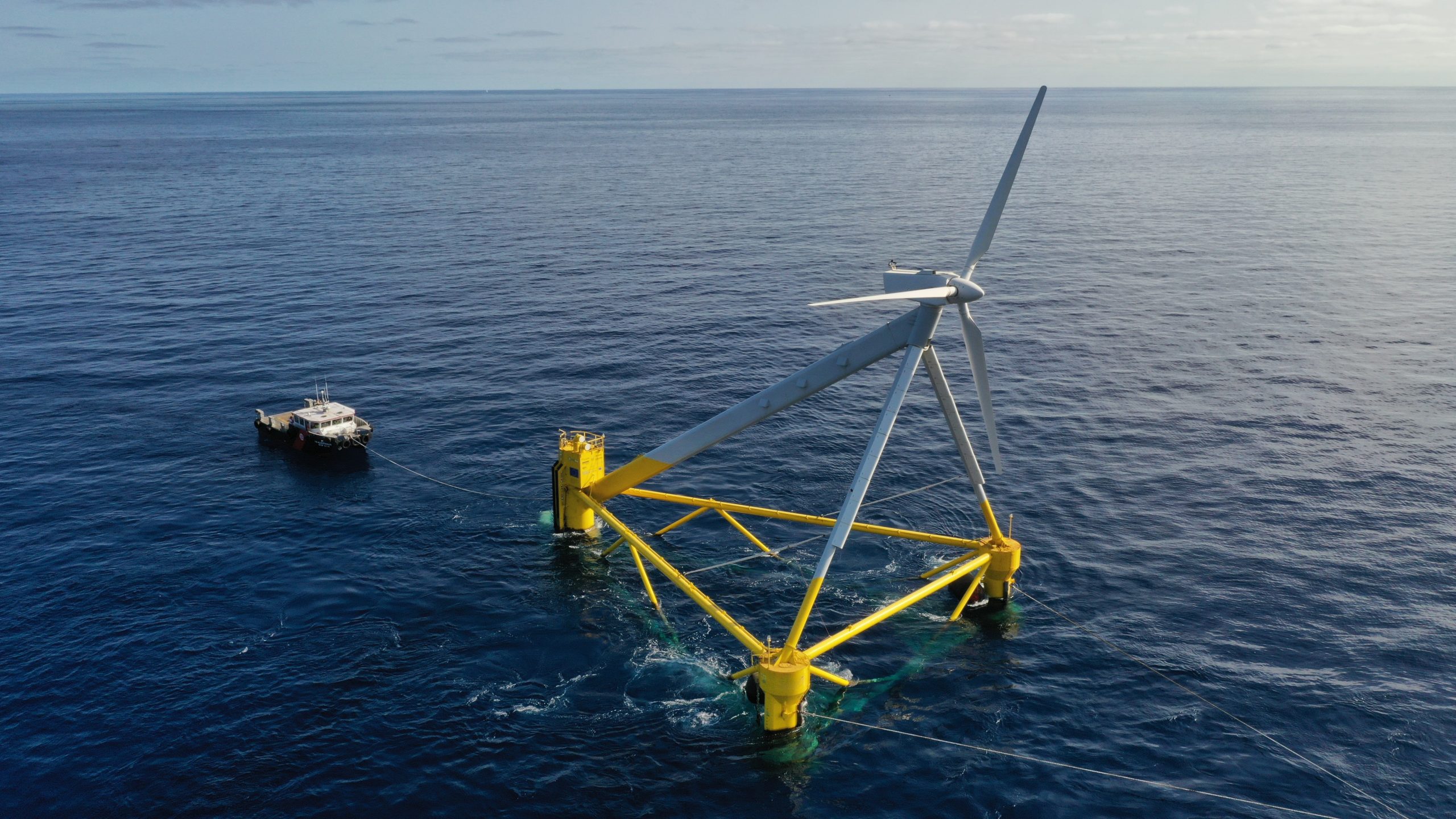
What are PlemCat RESEARCH all about?
- Advancing floating offshore wind through integrated research on environment engineering innovation and society.
- Generating evidence from environmental monitoring and engineering validation to support responsible deployment.
- Connecting scientific research industrial testing and innovation transfer across the full development pathway.
- Promoting social integration blue economy synergies and stakeholder dialogue in the Mediterranean context.
PlemCat’s research programme is structured around four strategic pillars, each addressing a distinct dimension of floating offshore wind development. Together, they form an integrated framework that advances both scientific knowledge and industrial readiness, from environmental characterisation and engineering validation through to innovation transfer and social integration. Operations and Maintenance (O&M;) is embedded across pillars as a cross-cutting activity.
Strategic pillars
PlemCat’s strategic pillars define the key areas driving the development of floating offshore wind technologies. Each pillar focuses on a specific dimension, from environmental assessment and engineering validation to innovation transfer and social integration, ensuring a comprehensive and coordinated approach. Together, they support the transition from research to real-world application, accelerating technological maturity and market readiness.
Environmental monitoring & climate change
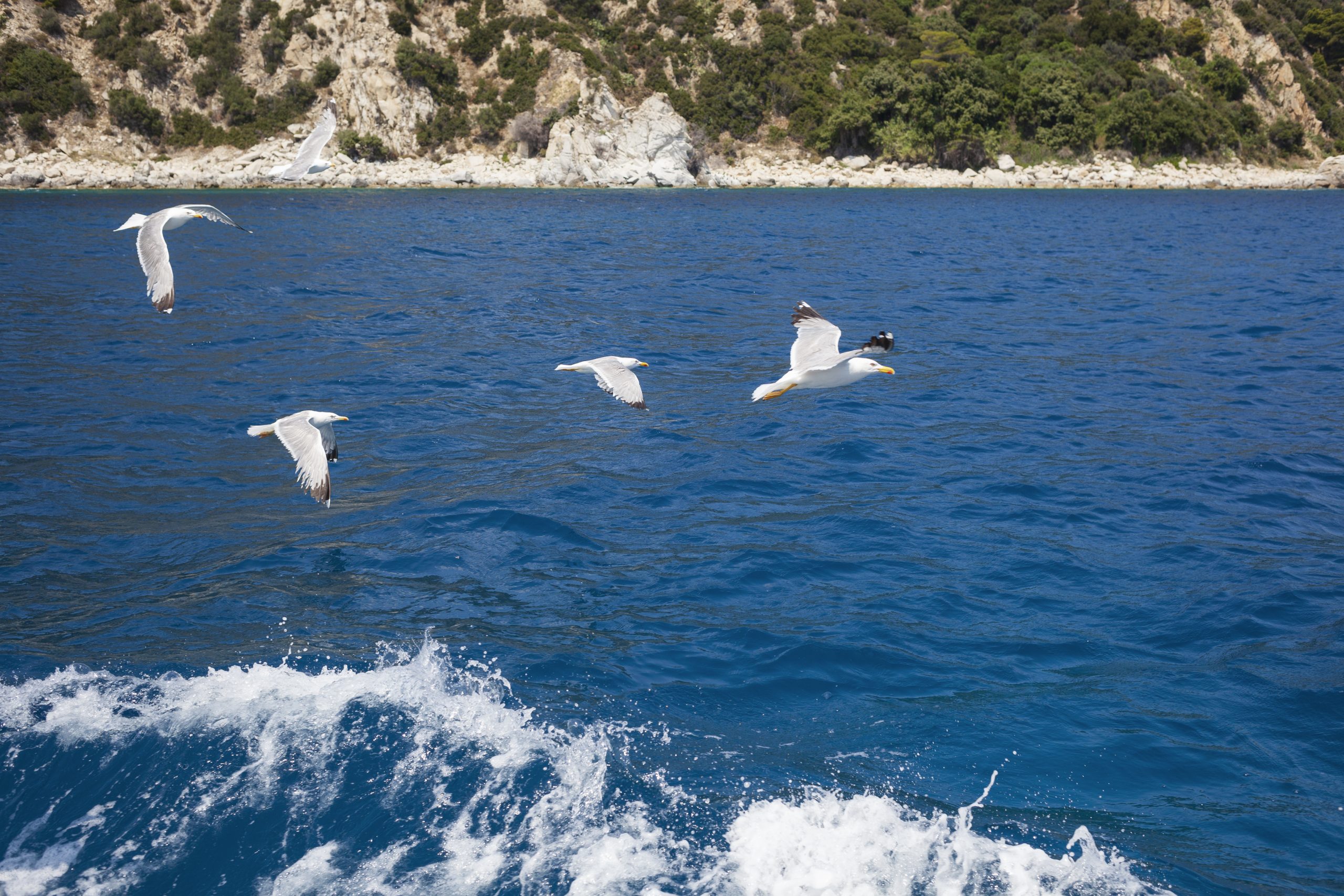
This pillar develops and maintains the environmental evidence base required for the responsible deployment of floating offshore wind in the Mediterranean. It includes continuous monitoring of meteorological and oceanographic conditions at the LEBA1 site, as well as biodiversity assessments through baseline surveys and long-term monitoring of marine flora and fauna. Avifauna is also studied, focusing on bird migration patterns, collision risks and displacement. In addition, it analyses the impact of climate change on wind resources and sea-state conditions, while generating environmental data to support marine spatial planning and regulatory compliance. All data are managed under open data protocols to enable scientific publication and inform policy use.
Engineering & supply chain
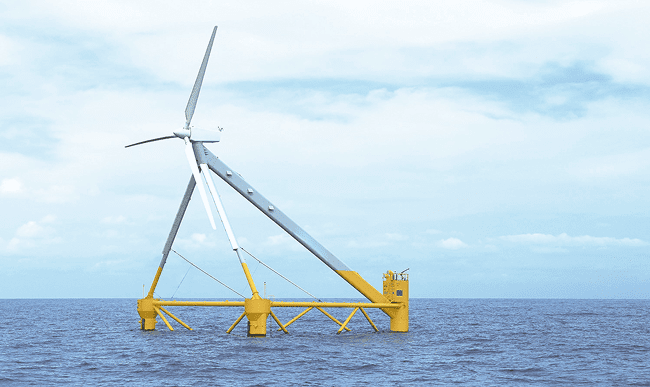
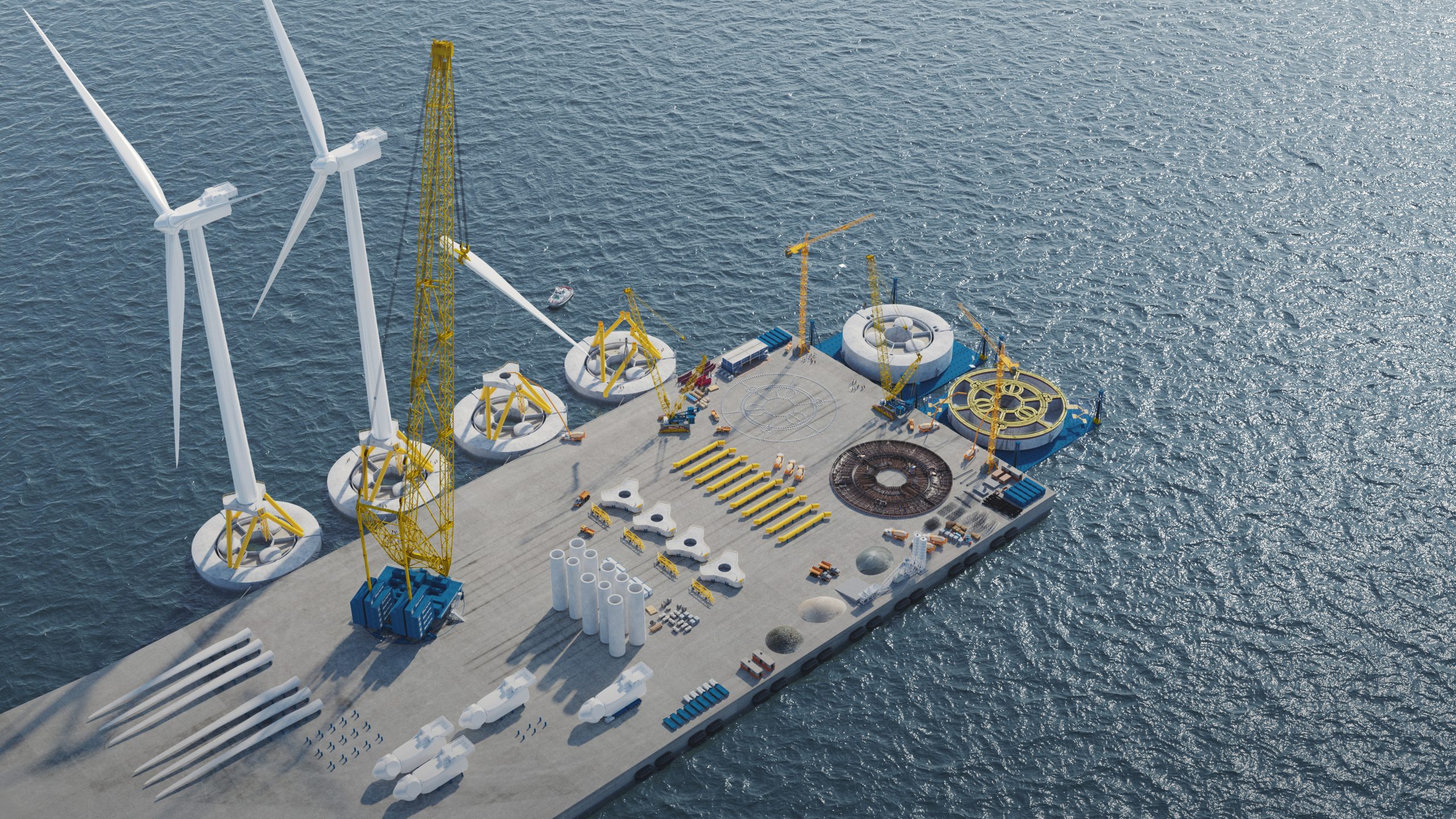
This pillar covers the engineering testing activities and the qualification of the Catalan and Spanish industrial supply chain. Design validation of floating substructures is carried out under Mediterranean sea-state conditions, alongside testing of mooring systems including synthetic and chain solutions as well as anchoring approaches. Mechanical and electrical components are tested in onshore laboratories (TRL 3 to 6), followed by full-scale prototype validation offshore (TRL 7 to 9). The pillar also covers the development of Operations and Maintenance (O&M) procedures and vessel access protocols, as well as supply chain qualification through standards, certification pathways and industrial readiness. In addition, it addresses port and logistics optimisation for assembly, installation and maintenance, and promotes engagement with Catalan manufacturers to build local capabilities in floating wind.
Research & innovation
This pillar drives scientific and technological innovation, connecting fundamental research with applied development and industrial transfer. Digital twin development supports the simulation of floating wind structures and meteo-oceanographic conditions, complemented by advanced instrumentation and sensor integration for real-time structural health monitoring. Machine learning and data analytics are applied to enable predictive Operations and Maintenance (O&M), while research on grid integration and power quality addresses the challenges of variable marine renewable generation. The pillar also explores hybrid marine energy systems, combining floating wind with wave, tidal and solar technologies. In addition, it promotes the use of open-source simulation tools and benchmarking datasets for the research community, fosters engagement with international testing and research networks to share results and establish best practices, and supports innovation funding through European, national and regional research programmes.

Social Interaction and Blue Economy
This pillar ensures that floating offshore wind development at PlemCat is socially grounded, economically beneficial and compatible with existing maritime activities. Coexistence with fishing fleets and aquaculture operations in the Gulf of Roses is analysed alongside the socio-economic impact on coastal communities along the northern Catalan coast. The pillar also maps blue economy synergies across ports, tourism, maritime transport and marine science, while promoting active stakeholder engagement with fishers, local councils and regional authorities. In parallel, it develops public communication and science outreach initiatives, contributes to regulatory and policy frameworks at Catalan, Spanish and European levels, and supports the social licence to operate through participatory planning and conflict resolution approaches.
Platform timeline
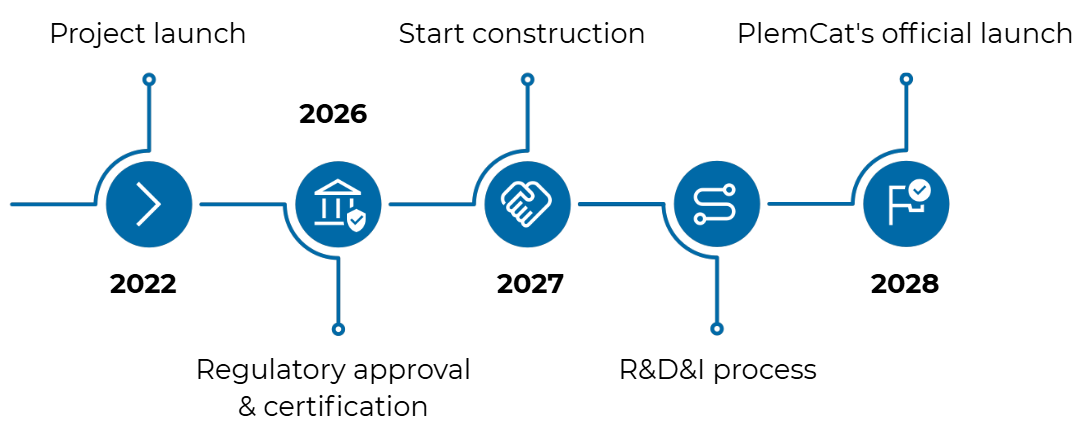
Timeline milestones are indicative and subject to applicable authorisations, environmental conditions, funding availability, technical readiness and other legal requirements.





PlemCat is led by IREC (Institut de Recerca en Energia de Catalunya) under the mandate of the Generalitat de Catalunya and with co-funding from MITECO/IDAE (Ministerio para la Transición Ecológica y el Reto Demográfico) through the RENMARINAS DEMOS programme and the Next Generation EU instrument. The platform is being developed to operate under a broad collaborative framework involving universities, technology centres and private companies from Catalonia and beyond.