
Decarbonizing the marine transportation sector through a new Power-to-Liquid technology
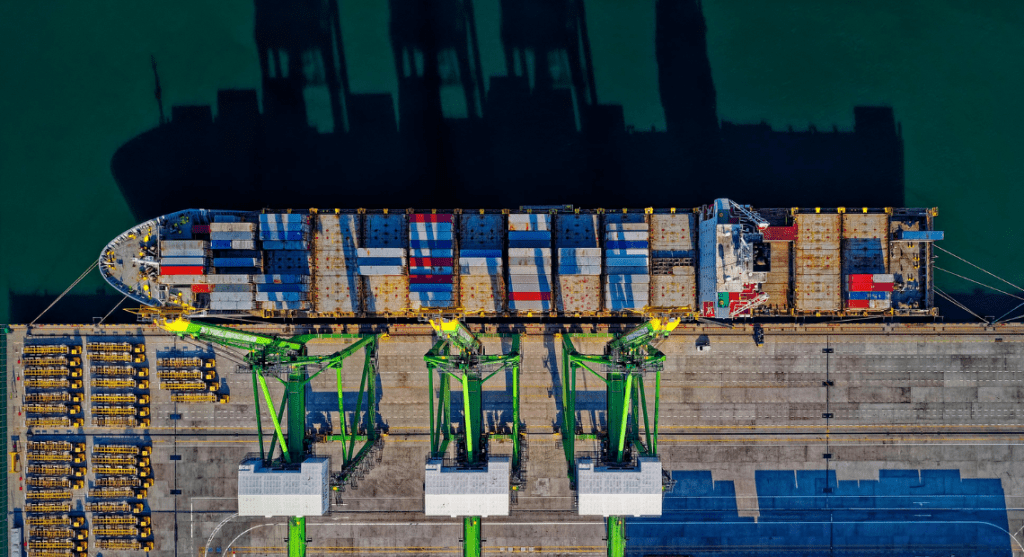
Despite the deployment of numerous emission mitigation policies through the use of renewable energy alternatives, sectors such as heavy transport that still rely almost exclusively on fossil fuels. One of the most promising and viable options for decarbonizing this sector is the use of liquid fuels coming from the conversion of renewable electricity into synthetic fuels through Power to Liquid (P2L) routes.
The COMECOCO2 project, which stands for “Efficient production of green fuel for marine transportation through co-electrolysis of CO2 captured in wastewater treatment plants”, aims to demonstrate a new P2L technology for producing green fuels for marine transportation. To achieve this, COMECOCO2’s goal is to develop a system that integrates a high-temperature co-electrolyser (co-SOEC) and a catalytic reactor to produce green methanol from CO2 captured from anaerobic wastewater digesters, regenerated water, and electricity from renewable sources. This system will be validated at lab scale and a preliminary validation will also be conducted in a relevant environment, specifically in a wastewater treatment plant.
COMECOCO2 is financed by the TRANSMISIONES 2024 programme from MCIU, AEI-CDTI (both from the Spanish Government) and the European Union, and responds to the thematic priority 2: Energy for the 21st century: promoting advanced fuels, bio-based energy sources and synthetic fuels developed from captured CO2.
The project, which celebrated its kick-of-meeting today, has a total budget of approximately 7M € and will run for 4 years. The consortium is formed by 12 partners, including a strong research pillar (AEI group) with six research and technological centres: IREC (coordinator), Lurederra, CCSIC – INMA, EURECAT, UPC and CENER; and a powerful industrial pillar (CDTI group) formed by three large companies: Viver Clean Tech (coordinator), Acciona, and AMES; and three SMEs: NANO4Energy, AESA y GREENG. Additionally, an advisory committee of end users has been established with CEPSA (fuel manufacturer), SyMNAVAL (shipbuilder) and Port Authority of Barcelona (prescriber of environmental regulation in ports).
IREC is the project coordinator for the AEI group and will be responsible for developing the SOFC/SOEC technology, specifically the cells, interconnectors and co-SOEC stacks; and for developing the catalytic reactors. These actions are led by Albert Tarancón from the Nanoionics and Fuel Cells department, and Jordi Guilera from the Sustainable Fuels group of the Energy Storage, Harvesting and Catalysis department at IREC.
Acknowledgements (in Spanish)
Proyecto PLEC2024-011072 financiado por MICIU/AEI/10.13039/501100011033/ FEDER, UE, y por CDTI mediante el programa TRANSMISIONES 2024.
