
Enhancing offshore wind energy sustainability through integrated assessment
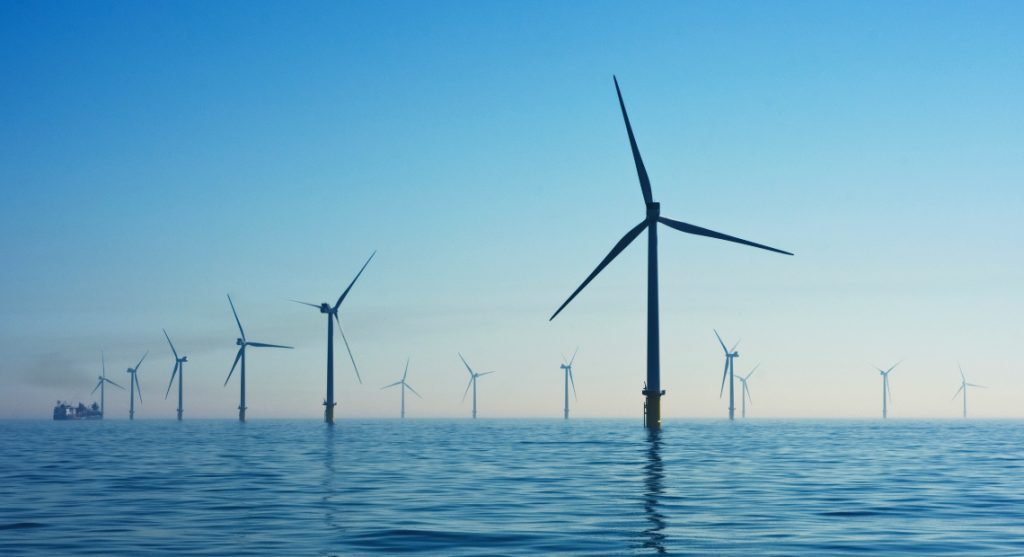
Europe is leading the development of offshore wind energy, and meeting the sustainability requirements of this rapid expansion demands efficient evaluation of the environmental, social and economic cumulative impacts across scales and throughout all life-cycle stages of Offshore Wind Farms (OWFs). Although numerous robust modelling tools exist to address these impacts, there is a strong need to develop holistic approaches that integrate these methods and to make them accessible to stakeholders through an advanced, ready-to-use decision-support platform.
By integrating environmental, economic and social models, as well as lifecycle methodologies, along with an OWF digital twin, the COMPASS project aims to provide an innovative in-depth understanding of both global and local environmental and socio-economic impacts of OWF. Through the development of a user-friendly platform that integrates and interconnects tools built for OWF, it will enhance OWF sustainability through both priced and non-priced criteria.
Starting this month, with a budget of nearly 5M € and a duration of 4 years, COMPASS brings together the expertise of 14 different partners from 8 countries. The project is coordinated by France Energies Marines (FEM), and the consortium is formed by 6 universities, 3 research organizations including IREC, 3 large companies and 2 SMEs.
IREC’s role
IREC leads the OWF framework for multidimensional evaluation tool: digital twin modelling and databases. It is responsible to create the OWF models and data identified for the impact evaluation, and to develop and structure the OWF COMPASS Databases and inventories. Additionally, IREC is in charge of developing a comprehensive model to analyse and estimate the total costs associated with an OWF throughout its entire lifespan, as well as the optimization procedure.
Acknowledgements
Funded by the European Union. Views and opinions expressed are however those of the author(s) only and do not necessarily reflect those of the European Union or the European Climate, Infrastructure and Environment Executive Agency (CINEA). Neither the European Union nor the granting authority can be held responsible for them.
