
Integrating advanced photonics techniques with AI for the diagnosis of prosthetic infections
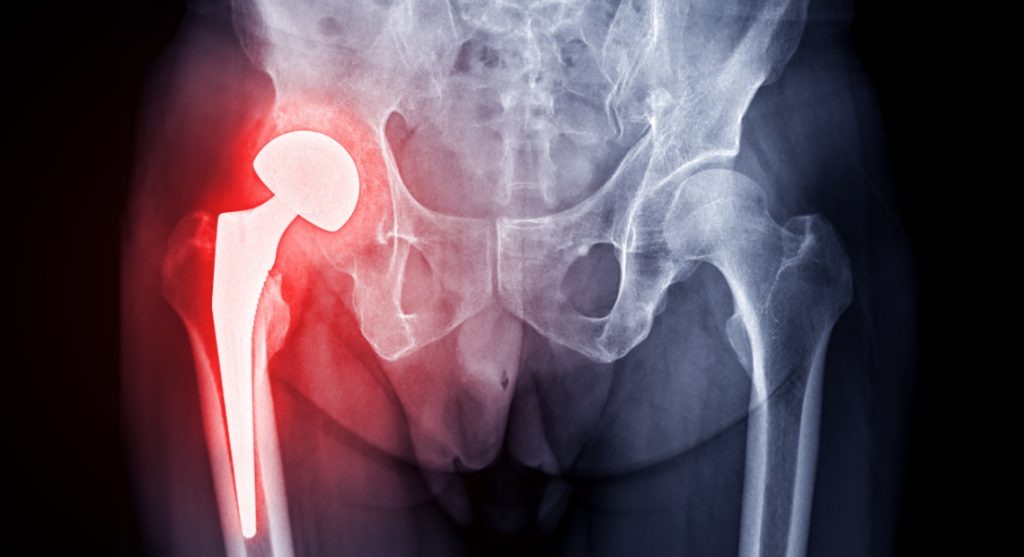
As a reference centre in advanced optical spectroscopy and artificial intelligence (AI)-assisted monitoring systems, IREC participates in the PROSAFE project, together with Lenz Instruments, a company specialized in the design and manufacture of advanced inspection systems, to develop a new diagnostic solution based on Raman spectroscopy to identify the organisms responsible for prosthetic infections.
With the increase in the elderly population and the number of implanted prostheses, infections related to medical prostheses and implants represent a growing challenge for health systems and a threat to the quality of life of patients. Despite its clinical relevance, the early detection of pathogens (the microorganisms that cause these infections) remains a challenge since current methods are based on the microbiological culture of microorganisms, a slow process with limited sensitivity that delays diagnosis and hinders treatment.
To address this, PROSAFE proposes a new solution for the rapid detection and identification of pathogens involved in infections associated with medical prostheses that integrates advanced Raman spectroscopy techniques with AI and deep learning models. This will allow rapid detection and selective analysis of the specific molecular fingerprint of microorganisms, and the identification of the pathogens involved through a safe and minimally invasive technique that will improve the precision, speed and personalization of the treatment of these infections.
PROSAFE, which is entitled “Diagnòstic ràpid i mínimament invasiu d’infeccions protètiques”, is a project funded by ACCIÓ with a total budget of more than €295,000 and will last 2 years.
IREC will focus on the design and optimization of the MWRRS (Multiwavelength Resonant Raman Spectroscopy) technique at laboratory scale and the experimental validation of the AI model with simulated samples. Additionally, IREC will support Lenz Instruments in defining the sample handling protocol to ensure compatibility with Raman spectroscopy measurement procedures. This collaboration between the two entities could represent a paradigm shift in the diagnosis of prosthetic infections, improving the speed, diagnostic accuracy and personalization of treatment, with a direct impact on patients’ quality of life and the efficiency of health systems.
Acknowledgements (in Catalan)
Amb el suport d’ACCIÓ.